The retail loyalty platform market has matured significantly over the past several years. What used to be a fragmented landscape of point-of-sale add-ons, email-driven punch cards, and enterprise loyalty suites has consolidated into recognizable categories — each with its own strengths, weaknesses, and ideal use case. For retailers selecting a platform in 2024, the right choice is less about feature checklists and more about matching the platform category to the business model. This guide walks through the categories and how to think about the selection.
The Platform Categories
There are four broad categories of retail loyalty platforms in the current market.
Ecommerce-native loyalty platforms are designed for online retailers, typically integrating tightly with Shopify, WooCommerce, BigCommerce, and similar platforms. Yotpo Loyalty (formerly Swell), LoyaltyLion, Smile.io, and Stamped are the most prominent names in this category. They are designed around the ecommerce shopper experience and tend to be strong on referral, reviews integration, and ecommerce-specific reward mechanics.
Enterprise loyalty platforms serve larger retailers with complex requirements — multi-banner organizations, omnichannel operations, multi-country footprints. Players in this space include established names like Epsilon and Cheetah Digital, along with newer entrants targeting the enterprise segment. These platforms are more configurable, more expensive, and require more implementation effort.
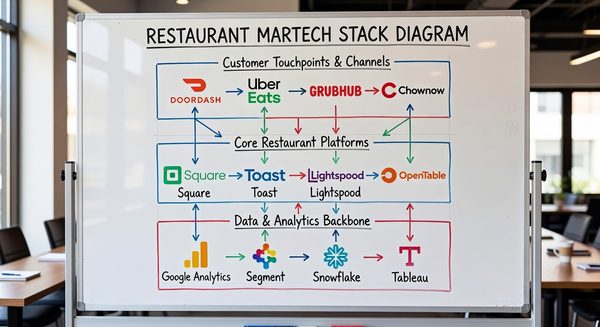
POS-native or POS-integrated loyalty is bundled with the point-of-sale system. Square, Toast, Clover, Lightspeed, and similar systems all offer loyalty modules. These work well for retailers who want a single vendor relationship and whose program needs do not exceed what the POS-native option provides.
Specialty and emerging platforms include challengers, regional players, and category-specialist platforms that serve specific verticals or use cases. The pace of new entrants in this category has been high.
Evaluation Framework
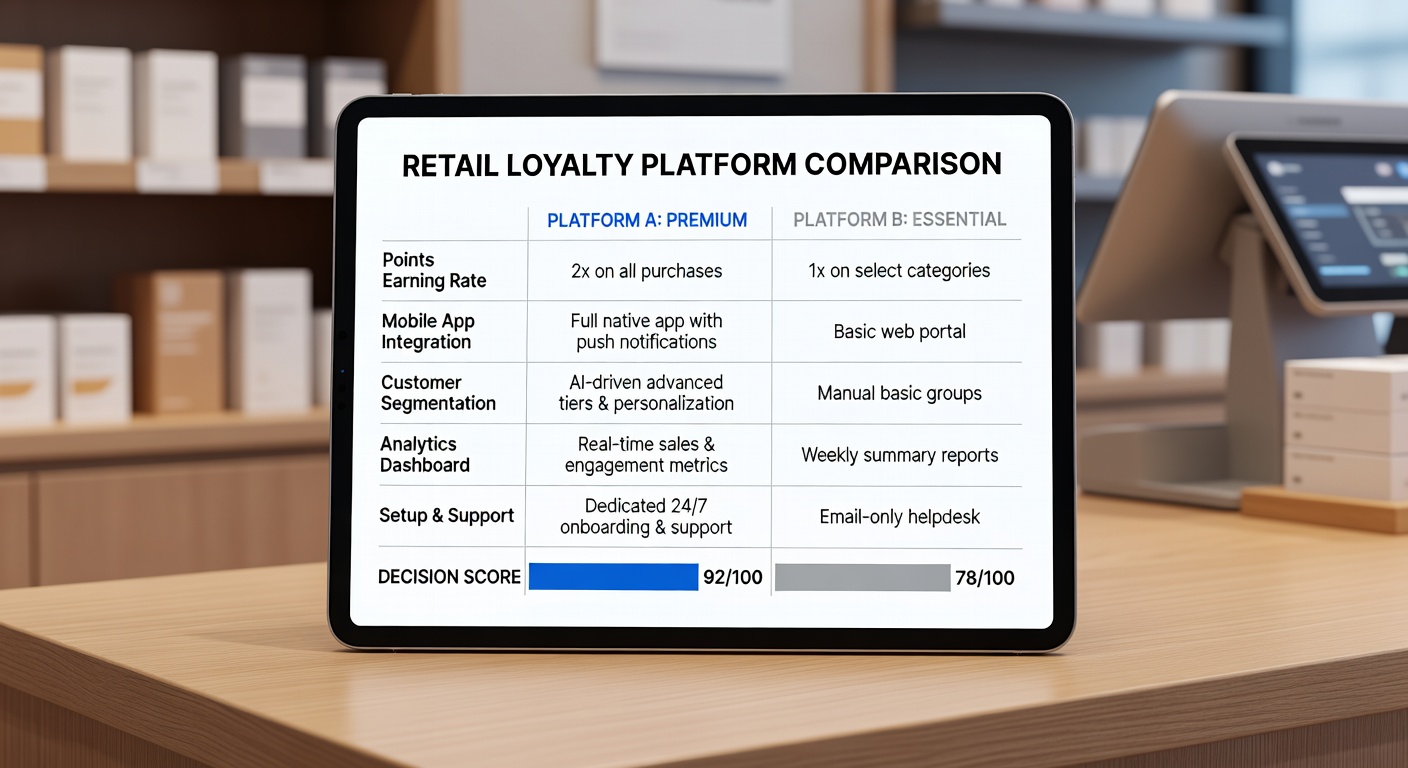
The right evaluation framework for a loyalty platform covers six dimensions.
Program type support is the first question. Does the platform handle the program structure the retailer wants to run — points, tiers, paid membership, hybrid models, gamified mechanics, referral? Not all platforms handle all structures cleanly.
Integration depth matters next. The platform has to integrate with the commerce platform, the point-of-sale system, the email or marketing automation tool, the customer data platform if one exists, and any service platforms the retailer uses. Integration gaps are the most common source of post-implementation regret.
Segmentation and personalization capability vary widely. Some platforms offer rich rule-based segmentation and basic personalization. Others rely on integration with external customer data platforms or marketing automation for any segmentation beyond the basics. The level required should match the retailer’s broader marketing maturity.
Omnichannel capability is critical for retailers operating both online and in physical stores. The platform must support consistent member experience across channels, unified purchase tracking, and cross-channel redemption. Many platforms claim omnichannel and deliver something less than that in practice.
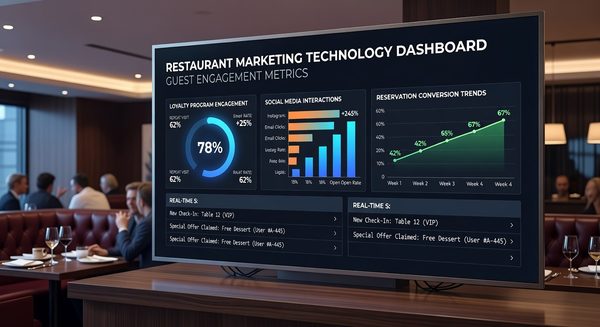
Analytics and reporting determine whether the retailer can actually measure program performance and member behavior. The depth of native reporting and the availability of data export for external analysis are both important.
Total cost of ownership includes the platform fee, implementation cost, ongoing services, and the internal team time required to operate the program. The platform fee alone is often the smaller part of the total.
Which Platform Tier Fits Which Operator
The platform category should match the operator’s profile.
Small and mid-size online retailers — those running on Shopify or a similar commerce platform, with up to several million in annual revenue — are typically best served by ecommerce-native loyalty platforms. Yotpo, LoyaltyLion, Smile, and similar names are designed for this segment and price accordingly.
Mid-size omnichannel retailers — operating both online and physical stores, with revenue in the tens of millions — face the most difficult selection. The ecommerce-native platforms may not handle the in-store experience well enough, and the enterprise platforms may be over-built for the scale. The right answer often involves either a platform from the upper end of the ecommerce-native category that has invested in omnichannel, or a specialty platform that targets exactly this segment.
Enterprise retailers — multi-banner, multi-country, or with revenue exceeding the hundreds of millions — typically need enterprise loyalty platforms. The configurability, integration depth, and implementation services required are not available from the ecommerce-native category.
Physical-store-first small retailers — coffee shops, salons, small restaurants — are usually well-served by POS-native loyalty modules. The integration with the POS is the most important feature, and the program needs are modest enough that the POS-native option is sufficient.
The Ecommerce-Native Players
Within the ecommerce-native category, the leading platforms have differentiated themselves on specific dimensions.
Smile.io is widely used at the lower end of the market, offering ease of setup, a clean member experience, and predictable pricing. It is a strong fit for smaller retailers prioritizing speed of implementation over deep customization.
Yotpo Loyalty (Swell) sits in the mid-market, with stronger segmentation capabilities and tighter integration with Yotpo’s broader marketing suite (reviews, SMS, subscriptions). It is well-suited to retailers running multiple Yotpo products.
LoyaltyLion targets a similar segment with strong customization capability and a more configurable rule engine. It tends to attract retailers who want to design more distinctive programs and have the team capacity to configure them.
Stamped, Friendbuy, and other names compete in adjacent niches, with referral, reviews, and loyalty often bundled in various combinations.
The selection within this category often comes down to which platform’s integration ecosystem most closely matches the retailer’s existing stack.
The Brick-and-Mortar Distinction
The ecommerce-vs-physical-store distinction is the single biggest variable in platform selection. A loyalty platform optimized for online checkout does not necessarily handle the in-store experience well. Order matching to members at the POS, scan-at-register member ID, receipt linking, gift card handling, and cashier workflow integration are all areas where ecommerce-native platforms have historically been weaker.
Retailers with significant in-store revenue should weigh this carefully. The right platform either has strong native in-store capability, or integrates with the POS in a way that preserves member experience and data quality at the register. A program that works beautifully online but creates friction at the in-store checkout will frustrate members and frustrate cashiers.
Emerging Players and the AI Layer
The pace of new entrants in the loyalty platform market remains high, and the AI layer has become a major area of competitive activity. Many platforms now market AI-driven personalization, predictive churn modeling, or automated campaign optimization features.
The reality is more uneven than the marketing suggests. Some platforms have meaningful AI capabilities built on substantial data foundations. Others have added AI marketing language to features that have not materially changed. Retailers evaluating AI claims should ask for specific use cases, demonstration with their own data if possible, and references from comparable retailers who have actually deployed the AI features in production.
Running the RFP Process
For mid-size and enterprise retailers, a structured RFP process is the right approach to platform selection. The RFP should cover the evaluation dimensions above, include specific use cases the retailer needs to support, and require demonstrations rather than just feature checklist responses.
Several practical recommendations make the process more effective. Limit the candidate set to three to five platforms — more becomes unmanageable. Include integration testing in the evaluation, not just feature demonstrations. Speak with reference customers in similar situations. Negotiate pricing only after the platform fit is established — pricing-led selection often leads to poor outcomes.
The selection horizon for a loyalty platform should be at least three to five years. Switching platforms is operationally painful and erodes member experience during the transition, so the selection deserves the time it takes to get right.
FAQ
Should we build a custom loyalty platform instead of buying one? For all but the largest retailers, the answer is no. The available platforms cover the common requirements more cost-effectively than a build, and the ongoing maintenance burden of a custom platform is consistently underestimated. Build only when the requirements genuinely exceed what any platform offers.
How long does a typical loyalty platform implementation take? Ecommerce-native platforms can be implemented in weeks for a basic program. Enterprise platforms typically take six to twelve months for a meaningful deployment. Omnichannel implementations involving POS integration usually fall between the two.
Can we switch platforms later if we choose wrong? Yes, but switching is expensive and disruptive. Member data migration, communication of the transition, redemption of pre-existing balances, and re-establishing operational patterns all take effort. Plan to live with the chosen platform for at least three years.
Does the platform really matter that much, or is the program design what counts? Both matter. A great platform with a poor program design underperforms. A great program design constrained by a weak platform underperforms differently. The selection should prioritize platforms that support the program design the business actually wants to run, not the most feature-rich option in general.
Closing Thought
Platform selection in retail loyalty is one of the higher-stakes decisions a retailer will make in the loyalty space. The platform shapes what the program can do, how members experience it, and how operationally efficient it is to run. The right approach is to define the program first, evaluate the platforms against the program’s specific requirements, and resist the temptation to chase features that look impressive in a demo but will not move the metrics that actually matter for the business.
Further Reading from Authoritative Sources
- National Retail Federation — NRF tracks retail technology investment and loyalty platform adoption across the retail industry, providing the market context for evaluating platform categories and comparing vendor approaches.
- Interactive Advertising Bureau — IAB establishes standards for audience data, identity resolution, and marketing technology integration directly relevant to the integration depth evaluation criteria for retail loyalty platform selection.