Casual dining has had a difficult decade. Fast casual ate into the lunch occasion, third-party delivery reshaped off-premise economics, and consumer expectations for value sharpened in ways that left chains in the bar-and-grill segment scrambling to justify the price differential. Chili’s rebuilt its loyalty program in this environment, and the design choices reflect the competitive realities of running a casual dining program in 2024. The program is worth studying because it shows what a thoughtful casual dining response to fast casual loyalty can look like.
Program Mechanics
My Chili’s Rewards uses a member-benefits structure that combines visit-based earning with category-specific perks. Members earn rewards through qualifying visits and orders, with a particular emphasis on benefits that activate quickly rather than accumulating toward distant thresholds. Birthday recognition, member-only menu access, and chip-and-salsa benefits anchor the early relationship and give the program tangible meaning from the first visit.
The structure is deliberately accessible. Casual dining visit frequency is lower than QSR or fast casual by category — a casual dining member visits monthly rather than weekly — and a program designed for QSR-like frequency will starve. By calibrating rewards to casual dining cadence, Chili’s keeps members in a continuous “near-goal” state rather than letting them accumulate points toward a redemption they may never reach.
Competing Against Fast Casual’s Lower Price Point
The strategic challenge for any casual dining chain is the price gap with fast casual. A consumer choosing between a fast casual lunch at one price and a casual dining lunch at a meaningfully higher price needs a reason for the differential. Service, seating, and a fuller menu are part of that reason. Loyalty rewards that reduce the effective price gap are another.
My Chili’s Rewards effectively functions as a value-perception lever. A member who sees consistent benefits — a free appetizer here, a beverage offer there, a birthday entrée — experiences the casual dining check as smaller than its sticker. The loyalty program does not need to close the price gap entirely; it just needs to narrow it enough that the experience differential justifies the remaining premium.
The Bar-and-Beverage Segment
A defining feature of bar-and-grill loyalty is the beverage segment. Casual dining checks contain a beverage line item far more often than QSR or fast casual checks, and beverages carry strong margin. A loyalty program that drives beverage attachment delivers commercially valuable behavior at relatively low reward cost.
Programs in this segment often layer beverage-specific offers and benefits — happy hour extensions for members, member-only cocktail features, beverage redemption tiers — into the broader structure. Chili’s has leaned into this angle in ways that reinforce both the bar daypart and the brand’s casual-celebration positioning.
The strategic insight here is that loyalty in casual dining is not a generic visit-frequency play. It is a multi-occasion engagement system — lunch occasion, dinner occasion, bar occasion, takeout occasion — each with its own member behavior and its own appropriate reward design. Programs that treat casual dining as a single occasion under-deliver against the operating reality of the format.
Digital Integration
Casual dining has had a more complex digital integration story than the fast casual category. The dine-in experience is the format’s strength, and pushing members into pure digital ordering would dilute the experience that justifies the price point. The right integration is therefore not “app for everything” but “app where it adds value.”
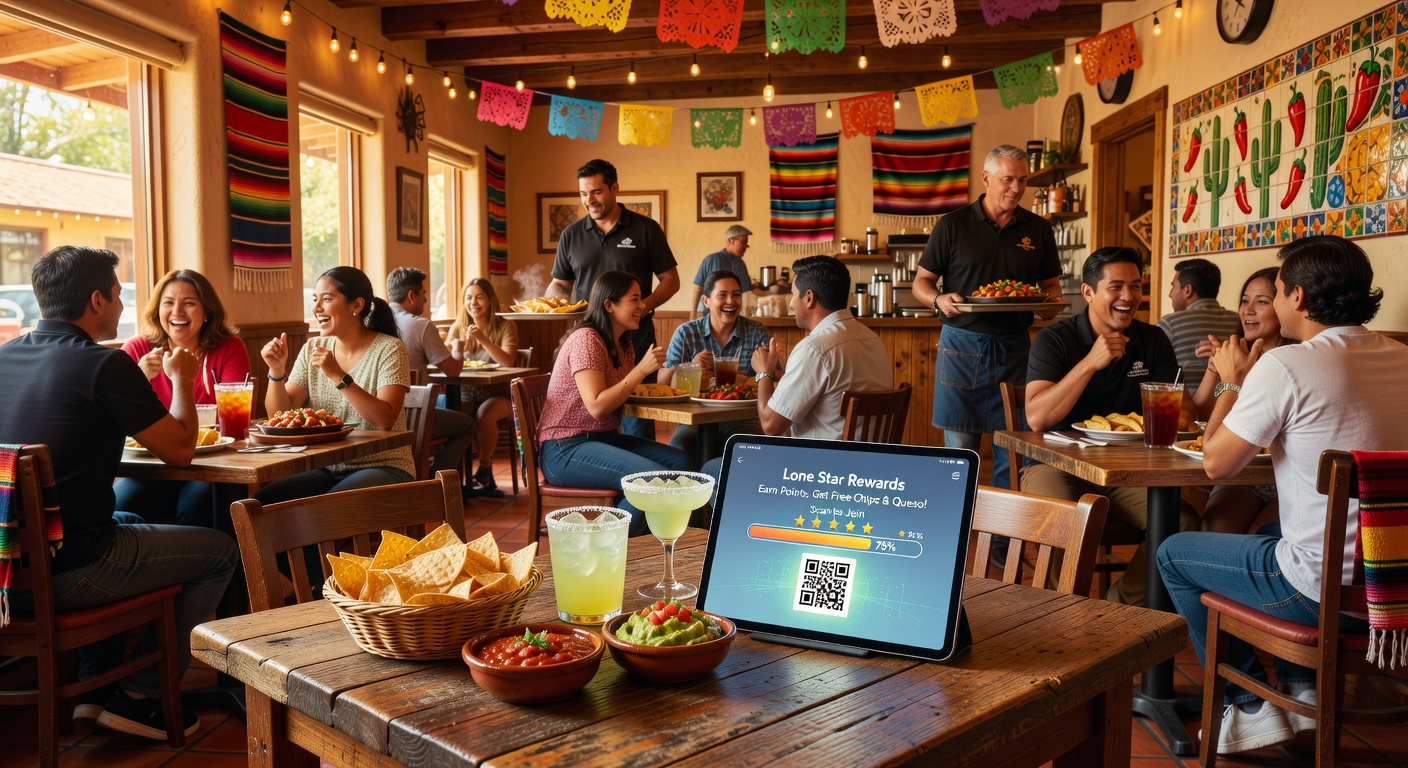
Chili’s digital integration spans the loyalty app, the in-table tablet ordering systems many locations operate, takeout ordering through the digital channels, and reservation and waitlist tools. The loyalty program threads through these touchpoints — the tablet recognizes the member, the app surfaces the points balance, the takeout flow applies the rewards. The architecture supports the dine-in experience rather than displacing it.
This is the right model for casual dining, and the operators who have struggled with digital integration in the segment usually struggle because they imported a fast casual playbook into a format with different operational realities.
What the Program Does Well
A few elements of My Chili’s Rewards reflect strong design judgment:
Accessible rewards. The program produces tangible benefits at casual dining frequency, not QSR frequency. Members do not feel the rewards are theoretical.
Birthday and recognition mechanics. Birthday programs work especially well in casual dining because the format is well-suited to celebration occasions. Chili’s leans into this naturally.
Member-only menu access. Exclusive items create a sense of insider status that members value disproportionately to the actual item cost. The mechanic is well-suited to a menu-broad concept where new and limited items can be tested in the loyalty audience first.
Beverage and bar daypart integration. The bar-and-grill occasion is leveraged thoughtfully, not ignored or under-served.
Where Value Is Left on the Table
No program is finished, and the obvious areas of upside include deeper tier and status mechanics for the highest-frequency members, more sophisticated personalization that adapts to channel and occasion, expanded subscription elements (a beverage subscription would fit naturally), and richer takeout and off-premise loyalty integration. The program has a strong foundation; the room to grow is in the personalization and depth layers above that foundation.
Lessons for Casual Dining Operators
Several lessons travel from the Chili’s case to other casual dining operators:
Calibrate rewards to casual dining frequency, not QSR frequency. Programs designed for higher-frequency categories starve in casual dining.
Treat each occasion as its own design problem. Lunch, dinner, bar, and takeout are different occasions with different member behaviors. A unified program with occasion-specific elements outperforms a generic single-occasion design.
Lean into beverage attachment. Beverages are a casual dining strength and a margin lever; loyalty programs that ignore them miss the segment’s natural advantage.
Build digital integration that supports dine-in, not replaces it. The dine-in experience is the format’s competitive asset; digital should reinforce it, not cannibalize it.
Recognition matters more than discounts. Casual dining members respond to feeling known — birthday, anniversary, regular-table recognition — in ways that pure discount programs do not produce.
FAQs
Is My Chili’s Rewards a points program? The structure leans toward visit and benefit-based rewards rather than traditional per-dollar points accumulation. The design fits casual dining frequency patterns.
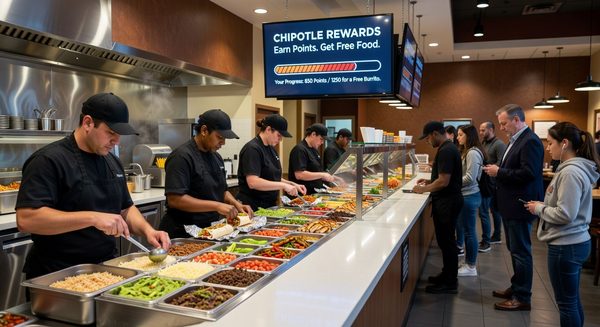
How does the program compare to fast casual programs like Chipotle Rewards? The structural difference reflects the underlying business: lower frequency, higher ticket, more occasion variety. The mechanics are not directly comparable, but the underlying discipline — accessible rewards, integrated digital, personalized offers — is consistent.
Does the program drive incremental visits? Mature programs in casual dining typically produce measurable incremental frequency among engaged members. The lift is usually smaller than in higher-frequency categories, but it operates on a higher average ticket, so the dollar impact is meaningful.
Is loyalty enough to close the value gap with fast casual? Loyalty narrows the gap; it rarely closes it on its own. Combined with menu strategy, service consistency, and brand investment, it contributes to a competitive position that justifies the casual dining price point.
Closing
My Chili’s Rewards reflects a category-appropriate design discipline. The program is not trying to be a fast casual program; it is trying to be a strong casual dining program, which is a different problem with different answers. Operators in the casual dining segment who borrow uncritically from fast casual loyalty playbooks tend to produce programs that fit nobody well. Operators who design around their own format’s frequency, occasions, and economics tend to produce programs that earn their keep. Chili’s has done enough of the latter to make the program worth study.
Further Reading from Authoritative Sources
- National Retail Federation — NRF publishes consumer data on dining preferences and loyalty program adoption across casual and fast casual segments that contextualizes Chili’s competitive challenge.
- Harvard Business Review — HBR research on emotional loyalty and recognition-based rewards supports the article’s argument that casual dining members respond more to feeling known than to pure discount mechanics.