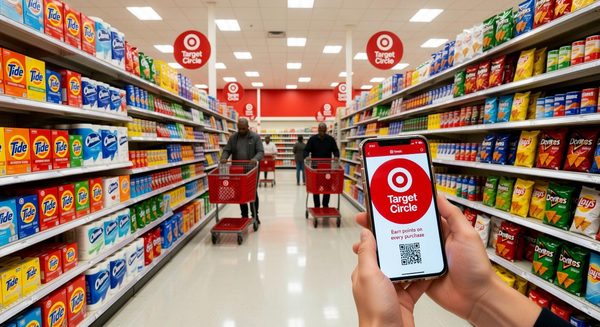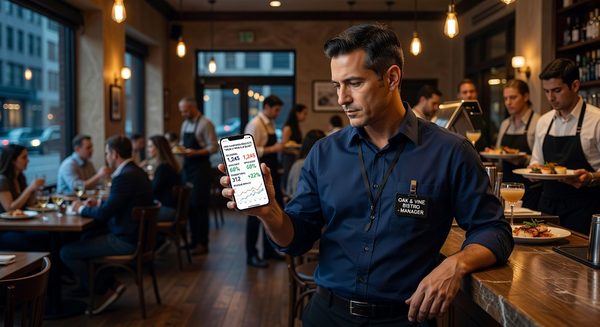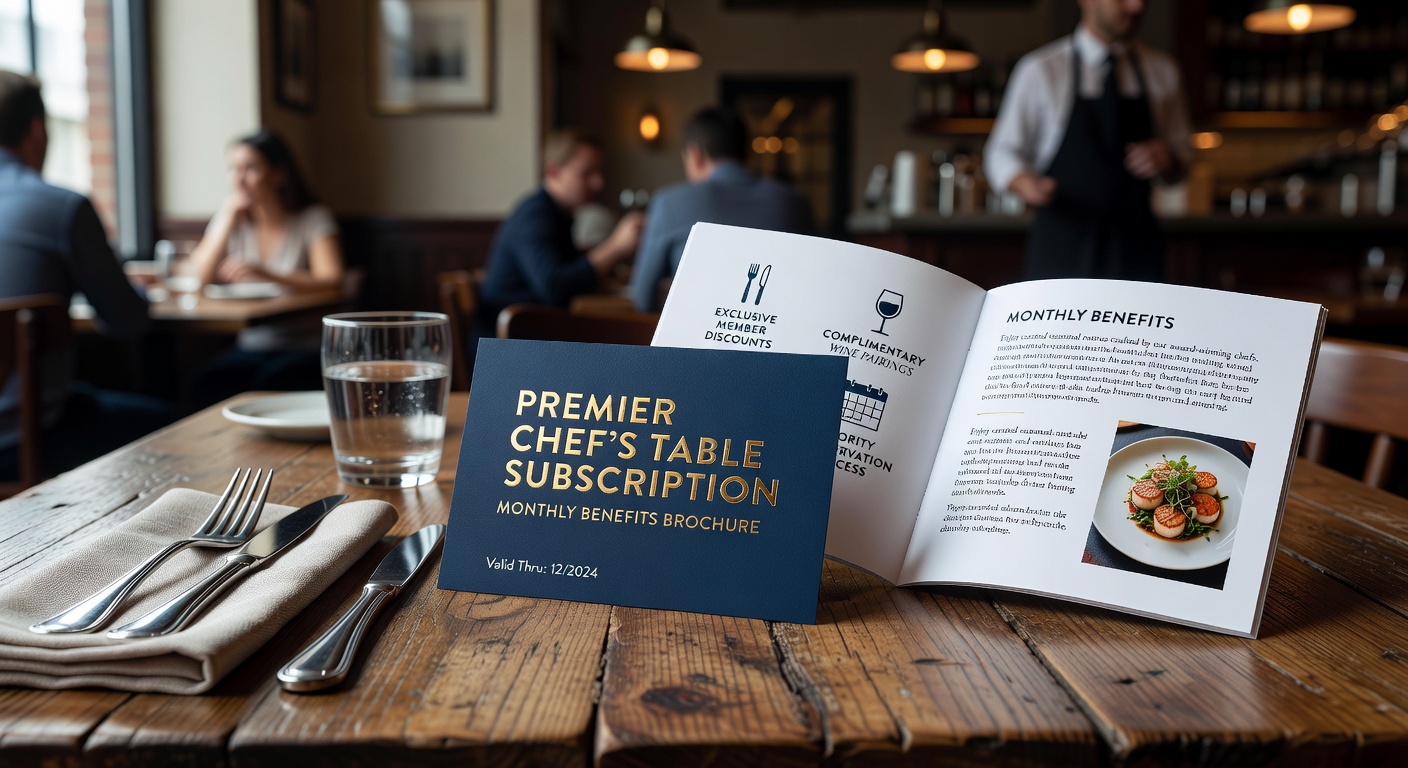
For two decades, restaurant loyalty meant points. A guest swiped a card or scanned an app, earned a fraction of a dollar in credit, and waited — often for months — to redeem something modest. The mechanics worked, more or less, but the model carried a quiet flaw: it rewarded behavior the operator already had. Subscription loyalty asks a different question. Instead of paying members for visits, what if members paid the restaurant for the right to visit more often?
That inversion is reshaping the category. Panera’s unlimited coffee and beverage subscription, Taco Bell’s limited-run taco subscription pilots, and a growing list of regional and emerging chain experiments have shifted subscription loyalty from curiosity to a credible third lane alongside traditional points and tiered programs.
How Subscription Loyalty Differs From a Points Program
A points program is fundamentally reactive. The guest acts; the restaurant rewards. Revenue is unpredictable in any given week because redemption timing belongs to the customer. A subscription flips both ends of that equation. Revenue arrives on a predictable monthly cadence whether the member visits twice or twenty times. The customer is no longer earning a future benefit — they are pre-paying for ongoing access.
This changes the psychological contract. Points reward transactions. Subscriptions create membership. The member who pays a monthly fee is making a small but real commitment to the brand, and behavior economics research consistently shows that paid commitments alter how consumers think about choice — the restaurant becomes a default rather than one option among several.
The Operator Economics
The math is more interesting than it looks. A subscription succeeds when the average member’s incremental visit frequency, multiplied by the average ticket on those visits, produces gross margin that exceeds the cost of the included benefit plus the subscription’s effect on regular-priced volume.
The risk operators worry about first is the heavy user — the customer who visits daily and consumes well above the subscription’s value. In practice, heavy users are rarely the financial problem. They are usually loyal regulars who would visit anyway, and their additional visits carry incremental margin on the rest of the check (a coffee subscriber buys a pastry; a taco subscriber adds a drink and a side).
The bigger watch-out is cannibalization. A subscription that replaces a la carte purchases the member was already making with a discounted included item reduces revenue without producing offsetting frequency. Programs that work well are designed so the included item is something members might not buy daily at full price, but will commit to at a subscription rate that locks in the habit.
Consumer Psychology: Relationship vs. Transaction
The most underappreciated feature of subscription loyalty is its effect on the member’s mental model of the relationship. Points programs invite a transactional calculation at every visit — am I earning enough to make this worthwhile? Subscriptions remove that calculation entirely. Once enrolled, the member’s only economic question is whether the program as a whole is worth the monthly cost, and that question is asked far less frequently than the per-visit math of a points program.
This explains why subscription members in pioneer programs tend to report higher emotional affinity for the brand than equivalent points-program members. They have made a small public commitment, and humans tend to rationalize commitments by liking the things they commit to more.
Design Considerations That Determine Success
A well-designed subscription program makes a few decisions deliberately:
What’s included. The benefit should be frequent enough to justify the subscription (a member must use it regularly to feel value) but not so generous that it cannibalizes other purchases. Beverages tend to work well in casual concepts because they pair with food purchases and carry strong margin.
Price point. Pricing should sit comfortably below the cost of buying the included item three or four times a month at full price. Members run the math; the calculation has to feel obviously favorable.
Cancellation terms. Friction in cancellation hurts more than it helps. Programs with easy month-to-month cancellation report better acquisition and surprisingly modest churn — members who feel free to leave are more comfortable staying.
Visibility at the point of sale. Subscriptions only produce frequency if members remember they have them. Front-line staff awareness, app prompts, and ordering flow integration all matter.
Which Restaurant Categories Fit Best
Subscriptions work most cleanly in concepts with three traits: a daily or near-daily use case, a single high-margin product family that anchors the benefit, and a digital ordering channel that handles enrollment and authentication. That’s why coffee, casual beverages, and snack-focused concepts have led the category.
Full-service restaurants face a harder design problem. Visits are less frequent, ticket sizes are larger, and the included benefit has to be calibrated against a check the member only assembles a few times a month. Some operators have found success with prix-fixe or beverage-pass models, but the category is still early.
Early Lessons From Pioneer Programs
Operators running early subscription programs have shared a consistent set of observations. Acquisition spikes early and then settles into a steady rate driven by app and in-store awareness. Most members fall into a usage pattern that makes the economics work — neither heavy abusers nor lapsed dormants. Churn is highest in the first 60 days, suggesting onboarding and early-use prompts matter more than long-term retention tactics. And the subscription tends to lift attached purchases — drinks pull food, tacos pull sides — in ways that traditional points programs do not.
FAQs
Are subscription programs a replacement for points programs? For most operators, no. They tend to sit alongside a traditional loyalty program, capturing the most engaged segment of members who want a deeper relationship with the brand.
What’s a reasonable subscription price point? The market range in restaurant pilots has clustered between five and fifteen dollars per month, depending on what’s included.
Does a subscription require a custom app? A digital channel of some kind is effectively required for enrollment, authentication, and benefit redemption. It does not have to be a custom app, but it does require integration with the point-of-sale.
How do you measure success? The right metrics combine subscription contribution margin, incremental visit frequency among members, and attached-purchase lift, not just gross subscription revenue.
Closing
Subscription loyalty is not a magic alternative to points. It is a different commercial relationship — one that trades behavioral incentive for committed access, and unpredictable redemption for predictable revenue. For the operators it suits, the model is producing some of the most engaged member behavior the category has seen in years. The challenge for everyone else is honest: design begins with whether your concept can deliver enough recurring value to justify a recurring fee.
Further Reading from Authoritative Sources
- Harvard Business Review — HBR’s research on subscription economics and consumer commitment psychology provides the analytical foundation for the article’s core argument that subscriptions create a different psychological contract than points programs — including the commitment-and-consistency principle that explains higher affinity among paid members and the research on how subscription pricing anchoring changes visit decision-making.
- National Retail Federation — NRF publishes retail and restaurant subscription program research that contextualizes the market range for restaurant subscription pricing ($5 to $15 per month from early pilots), the category fit criteria the article identifies, and the operator economic frameworks for evaluating whether subscription loyalty produces contribution margin that justifies the program design investment.