Amazon Prime is rarely included in loyalty program rankings, and that is a mistake. By any meaningful measure — member retention, share-of-wallet, behavioral change after enrollment — Prime is one of the most effective loyalty constructs in modern retail. It just does not look like a loyalty program. There are no points, no tiers, no quarterly bonus categories, and no email nudges to “redeem before they expire.” There is a fee, a bundle of benefits, and a remarkable amount of resulting consumer behavior. For retailers studying what works in loyalty, Prime is worth a deeper look than the points-versus-cashback debate usually allows.
The Bundle, Not the Points
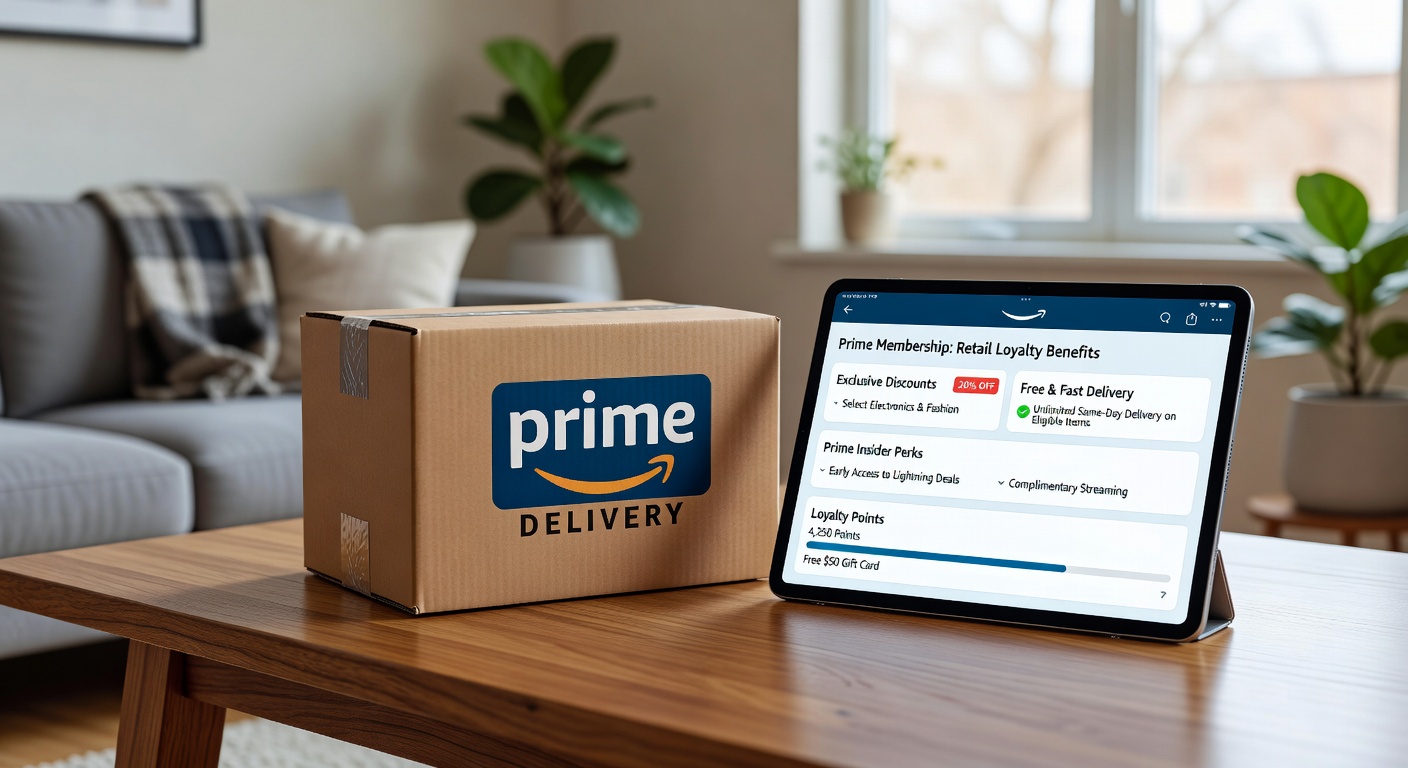
What Prime offers is not a reward for repeat purchase. It is a bundle of services that materially improves the shopping experience: fast and free shipping on a vast catalog, streaming video, music, photo storage, exclusive deals, and an evolving set of other benefits. The bundle has grown over time, and the perceived value has grown with it.
The mechanic is simple. A shopper pays an annual or monthly fee, and in exchange they get a portfolio of benefits that would each cost more if purchased separately. The genius of the construct is that none of the benefits feel like a reward for shopping. They feel like things the shopper would want anyway.
Why Membership Beats Points for Habit Formation
Traditional points programs work on a feedback loop: spend, earn, spend more, redeem. The loop is transactional and conscious. The shopper has to actively decide that the future reward is worth the present purchase. For most retail categories, that calculation does not move the needle much, because the points are small relative to the purchase.
Membership loyalty works differently. Once a shopper has paid the Prime fee, every subsequent transaction at the retailer feels like a way to get more value out of the fee they already paid. The psychology is the same as a gym membership or a season pass — having paid for access, the member is motivated to use the access. The behavior change is automatic rather than deliberate. The member’s default shopping destination becomes the retailer where they have the membership.
This is a stronger loyalty mechanism than points for most retail categories. Points require the shopper to remember to use them. Membership requires the shopper only to follow the path of least resistance.
The Sunk Cost Engine
The fee structure also engages what economists awkwardly call the sunk cost fallacy. Once a shopper has paid the annual Prime fee, the rational behavior is to ignore the fee in future purchase decisions — it has already been spent. But humans do not behave that way. The fee feels like a commitment, and the member naturally wants to “get their money’s worth.”
Research on subscription consumer behavior consistently shows this effect. Members of paid programs shop more often at the host retailer, consolidate spending that they would have spread across competitors, and reduce their price-comparison behavior on the host retailer’s items. Prime members have demonstrated all of these patterns, and they are visible in similar paid loyalty programs across categories.
Price Sensitivity Changes
A related effect is the change in price sensitivity that comes with membership enrollment. A Prime member checking a price on Amazon is generally not also checking the price at a competing retailer that would require a separate shipping fee. The fee structure of the competing retailer effectively raises the perceived price of every item enough that the Prime member stops comparing.
This is a powerful structural advantage. The retailer is not winning every individual price comparison — the member has stopped running the comparison at all. For a retailer with the operational scale to deliver on the bundle, this is the closest thing in retail to a true loyalty moat.
What Traditional Retailers Can Adapt
Few retailers can replicate Prime’s scale, and the rest probably should not try. The bundle works because the underlying services are genuinely valuable and operationally hard to deliver. But the architecture is portable.
Walmart+, Best Buy’s premium membership iterations, Target Circle 360, Macy’s paid loyalty offerings, and similar programs from grocery, apparel, and specialty retailers are all attempts to translate the Prime architecture into other contexts. The ones that succeed share three traits. The benefit bundle is genuinely useful, not just promotional. The fee is priced at a level the average shopper can quickly justify against the included benefits. And the membership is positioned as a service offering rather than a “loyalty program” wrapper.
The retailers that have struggled with paid loyalty are the ones that bundled discount coupons and called it a membership. Members can see through that quickly. Prime works because the benefits change the experience of being a customer, not just the price of the transaction.
Designing the Right Membership Offer
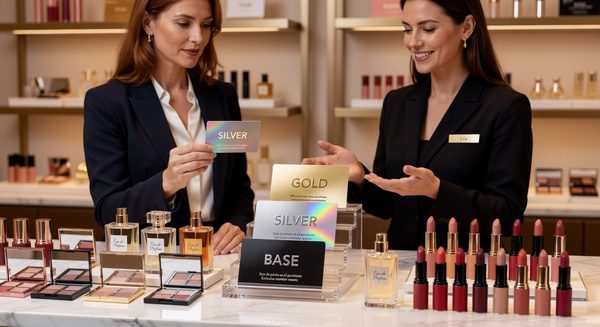
For retailers considering a Prime-style offer, the core design questions are not about points or tiers. They are about benefit composition. What can the retailer deliver to members that costs less to provide than the member would value? Free shipping is the obvious candidate, but on its own it is rarely enough. Extended return windows, priority customer service, early access to inventory, exclusive product, partner perks, and curated content all show up in the more successful paid programs. The bundle has to feel like a different relationship with the retailer, not just a discount card with a fee on it.
FAQ
Is Prime really a loyalty program? By function, yes. It generates the behavioral outcomes loyalty programs are designed to produce — repeat purchase, share-of-wallet, reduced price comparison — at scale. By form, it does not look like a points program, which is why it is often excluded from traditional loyalty rankings.
Why does paying a fee create more loyalty than earning free rewards? Because the fee creates a commitment the member is motivated to validate through usage. Free programs cost the member nothing to ignore. Paid programs cost the member something to ignore, which changes behavior.
Should every retailer offer a paid membership? No. The model only works when the retailer can deliver a benefit bundle that is genuinely valuable and operationally sustainable. Retailers without the catalog depth, shipping infrastructure, or service capability to support a meaningful bundle should not try to charge for one.
How does paid loyalty coexist with free loyalty? The most common pattern is a free program at the entry level and a paid upgrade for members who want richer benefits. The free program enrolls broadly and captures data; the paid program drives behavior among the most engaged segment.
Closing Thought
Amazon Prime works because it solved a different problem than the one most loyalty programs are designed to solve. It did not try to reward repeat purchase. It tried to make the retailer the default. For traditional retailers thinking about the next generation of their loyalty strategy, the most useful question Prime raises is not “how do we earn points faster?” — it is “what would make our store the path of least resistance for the customer we already have?”
Further Reading from Authoritative Sources
- Amazon Prime — Wikipedia provides documented background on Amazon Prime’s evolution from free-shipping offer to multi-benefit bundle that contextualizes the article’s analysis of why paid membership creates stronger behavioral lock-in than traditional points programs.
- Harvard Business Review — HBR’s behavioral economics and consumer subscription research directly underpins the article’s explanation of why the annual fee creates a commitment that drives more persistent shopping behavior than earned-point incentives.