When a business is disrupted, the loyalty program is one of the first things the marketing team revisits and one of the first things the finance team questions. The instinct on both sides is understandable. Loyalty looks like a discretionary cost in a crisis and a discretionary opportunity in a recovery. Both framings are wrong. The relationships embedded in a loyalty program are some of the most valuable assets a brand has when conditions are difficult, and they are also some of the easiest to damage with the wrong move at the wrong time.
This piece walks through how operators should think about loyalty during a crisis — what to lead with, what to avoid, and what crises tend to reveal about the program itself.
The Hierarchy of Loyalty Responses
When a crisis hits, there is a strong temptation to lead with discounts. The thinking is that customers under pressure want value, and the loyalty program is positioned to deliver it. This instinct is partly right and largely wrong about sequencing.
The right hierarchy of responses, in order, is:
Communicate first. Before any change to the program, before any new offer, before any tier extension — communicate. Members in a crisis want to know that the brand is paying attention, that the program is still there, and that decisions are being made thoughtfully. A simple, clear, human-sounding update goes further than a generous discount delivered without context.
Protect what members have earned. The next priority is to protect the accumulated value in the program. Extending status, pausing expirations, and being clear about how earned currency will be honored is the move that builds long-term trust. The cost is often modest. The signal is significant.
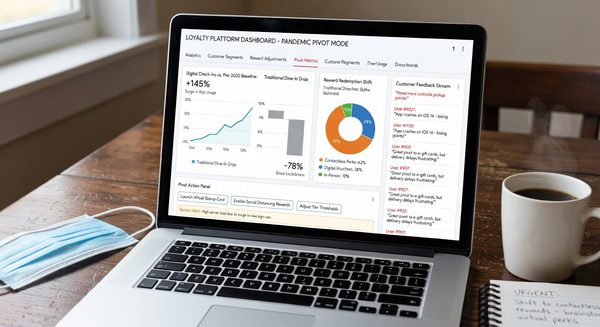
Add flexibility. Then, add ways for members to use the program in their current circumstances. If a travel member can’t travel, can they redeem for something else? If a dining member can’t dine in, does the program work for takeout and delivery? Flexibility outperforms generosity here.
Incentivize last, and carefully. Discounts and bonus offers have their place, but they belong at the end of the hierarchy, not the beginning. Used well, they accelerate behavior that the rest of the response has already made possible. Used as the lead response, they signal panic and train members to wait for distress pricing.
Why Transparency Outperforms Discounts
A consistent finding from research on crisis loyalty is that transparency — the brand explaining what is happening, what is changing, and why — outperforms discount-first responses in long-term retention.
The reason is structural. A discount is a transaction. Transparency is a relationship signal. When the crisis passes, the members who received discounts have a moderately better view of the brand’s value. The members who received transparent, thoughtful communication have a substantially better view of the brand itself. The retention difference shows up in the recovery period, when the discounts are gone and the relationship is what’s left.
The Protection Instinct
Loyalty members in a crisis exhibit a specific psychological pattern around accumulated value: they care about it more than they did before. Status they earned, points they accumulated, tier benefits they qualified for — all of these become emotionally more important when other things feel uncertain.
This is why status extensions and points expiration pauses are some of the highest-leverage moves a program can make during a crisis. The economic cost to the brand is modest. The emotional value to the member is high. And the member remembers the gesture far longer than they remember a one-time discount.
The corollary is that any move that feels like the brand is taking advantage of the disruption — quietly devaluing points, raising tier thresholds, narrowing redemption options — produces durable damage. Members are paying close attention during crises. They notice.
What Crises Reveal About Loyalty Programs
A crisis is a stress test, and what it reveals about a loyalty program is often more useful than what it changes.
Programs with genuine emotional connection hold engagement. When the crisis disrupts the normal pattern of transactions, members continue to engage with brands they feel real connection to. They open the emails, they check their balances, they hold their status. Programs that have built only transactional engagement see members drift away and not come back.
Programs designed only around transaction frequency become invisible. A program whose entire value proposition is “earn a free coffee after ten coffees” has nothing to say when the customer isn’t buying coffees. A program whose value proposition includes recognition, community, content, or relationship-level signals has multiple ways to stay relevant during the gap.
Programs with rigid rules age badly. A travel program with no redemption options outside of flights is dead air during a travel disruption. A coffee program with no redemption flexibility is dead air when the location is closed. Programs that can pivot quickly — because their rules give them room — stay relevant.
The Recovery Phase
The recovery phase has its own loyalty strategy, distinct from crisis-mode response.
Re-engagement before acquisition. When activity returns, the right first move is re-engaging the members who already trust the brand, not acquiring new ones. The economics are better — these are warm relationships, not cold ones — and the operational complexity of welcoming back disengaged members is lower than acquiring fresh ones.
Restore normality before innovating. Members in recovery want predictability. The right move for the first few months of recovery is restoring the program to a steady, recognizable state, not launching new features. Innovation can come later, when the relationship is back on stable ground.
Acknowledge the period. Programs that quietly act as though the disruption didn’t happen come across as tone-deaf. Programs that acknowledge what members went through — without belaboring it — tend to land better.
Case Examples (Generalized)
Two patterns, kept general:
A premium hospitality program that extended elite status, paused expirations, and communicated transparently throughout a disruption emerged from the period with higher member sentiment and stronger retention than competitors who took a less protective approach. The cost of the protection was modest. The competitive position was enhanced for years.
A retail program that quietly raised tier thresholds and narrowed redemption options during a disruption — moves that looked rational on a points-liability spreadsheet — produced a meaningful sentiment hit that the brand spent the recovery period trying to undo. The short-term economics were favorable. The medium-term economics were not.
FAQ
Should we suspend marketing communications during a crisis? Generally no — communications should continue, but the tone and content should shift. Suspending entirely makes the program feel abandoned. Continuing without acknowledgment makes the brand feel out of touch.
Is it appropriate to offer crisis-specific discounts? Yes, when they make sense for the customer’s actual situation. The mistake is leading with discounts before the more important communication and protection moves.
How long should status extensions last? Long enough that the member doesn’t feel the extension was symbolic. A 90-day extension during a longer disruption signals tokenism. An extension calibrated to the realistic recovery period signals genuine care.
Should we measure loyalty differently during a crisis? Yes. Transaction-based metrics will be misleading during the disruption. Engagement metrics (app opens, email engagement, balance checks) and sentiment metrics (NPS, brand preference) become more useful.
The Strategic Takeaway
A crisis is the moment when a loyalty program either earns its strategic position in the company or reveals itself as a marketing tactic. Programs that respond with communication first, protection second, flexibility third, and incentives last tend to come through with the relationships intact and often strengthened. Programs that lead with discounts and quietly tighten the rules tend to come through with the books balanced and the trust damaged. The difference shows up not during the crisis but in the years that follow.
Further Reading from Authoritative Sources
- Harvard Business Review — HBR’s research on crisis communication, customer trust, and loyalty program management provides the analytical foundation for the article’s core framework — including the research showing that transparency outperforms discounts in long-term retention, the psychological pattern around accumulated value during uncertainty, and the competitive advantage that programs earn by protecting members when conditions are difficult.
- Association of National Advertisers — ANA publishes loyalty marketing best practices and crisis communication research that validate the article’s hierarchy of responses — communicate, protect, add flexibility, incentivize last — and provide the industry context for how leading brands have managed loyalty program changes during major business disruptions while maintaining member trust and post-crisis retention.